Autumn
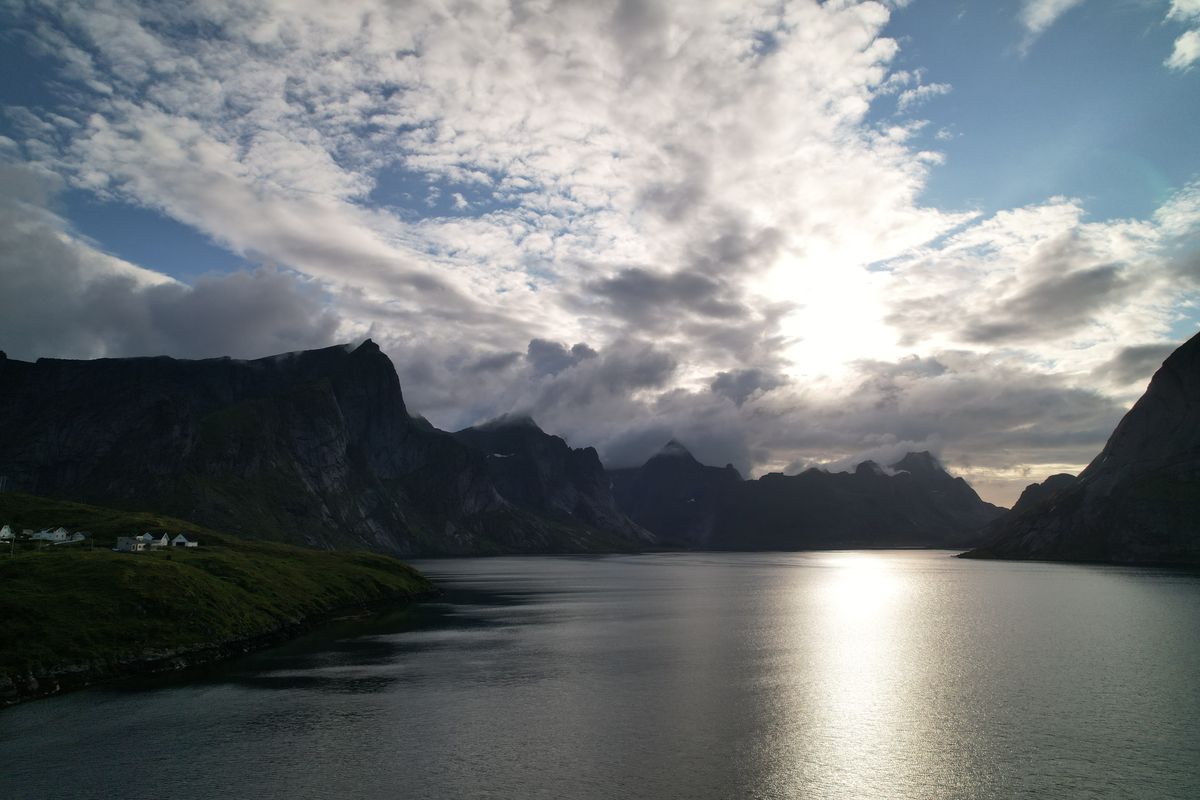
Golden hillsides by day, the aurora by night – and the islands quiet again.
Autumn in Lofoten – September and October – combines autumn colours, fewer visitors and the start of northern lights season with dark nights and often milder temperatures than winter. Weather is changeable, so plan flexibly and check the forecast daily.
Why autumn is underrated
The summer crowds are gone, the hillsides turn red and gold, and for the first time in months it gets properly dark at night. That means one thing: northern lights. On calm nights you sometimes see the aurora reflected in the fjord – one of the most beautiful things Lofoten has to offer.
Lofoten in September
Still decent hiking weather on good days, long enough days for big excursions and dark nights for aurora watching. Many trails are at their most beautiful now.
Lofoten in October
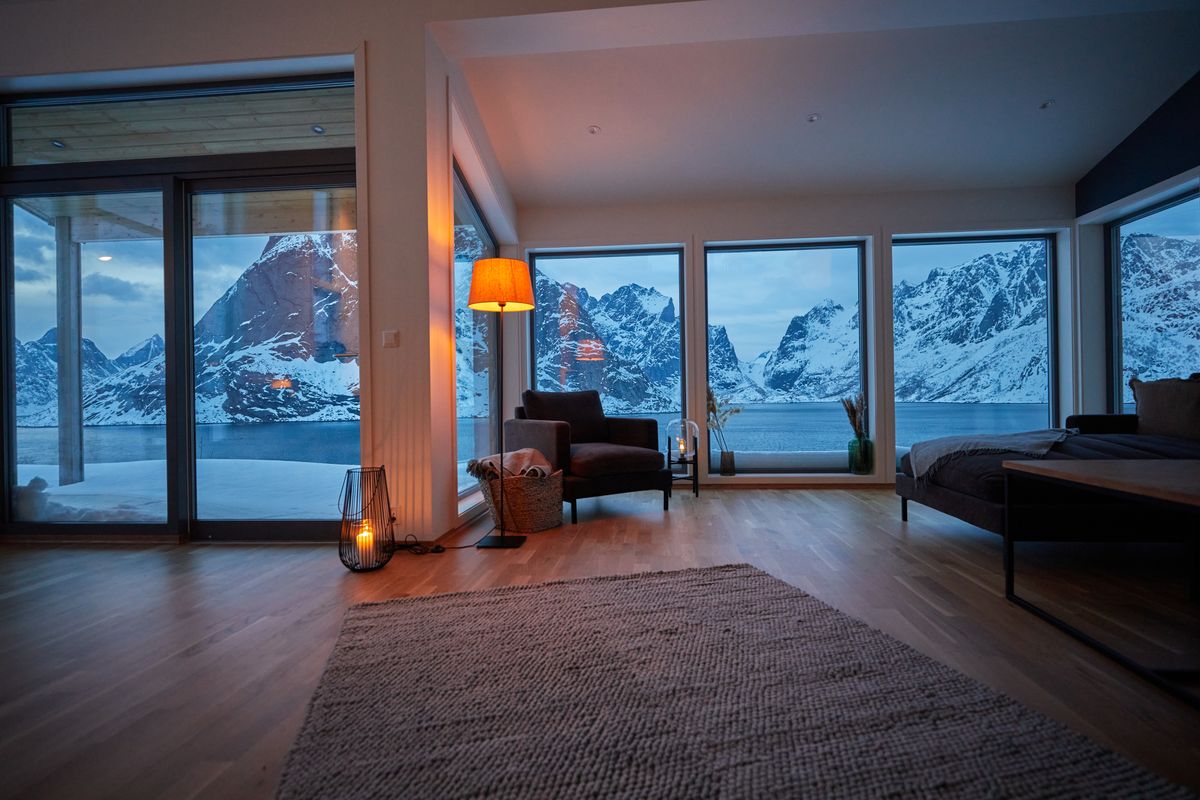
Shorter days, more storms, more drama. A good month for photographers and for people who like candlelight, a sauna and a book between outings.
Tips
- Be flexible. Plan your days around the weather, not the other way round.
- Pack for rain and wind, plus a warm layer for aurora nights.
- Check opening times – some cafés, museums and boat trips switch to winter hours.
Good questions
When is northern lights season in Lofoten?
The aurora is active all year, but you need darkness to see it. In Lofoten that means roughly late August to mid-April. Clear skies matter more than the month.
When is the best time to visit Lofoten?
Depends on what you are after. Northern lights: roughly late August to mid-April, when nights are dark. Midnight sun: around late May to mid-July. Snow and winter light: January to March. Hiking: June to September. No season is a bad one – each is a different trip.
How far ahead should I book?
For June to August and the aurora months around Christmas, New Year and February/March: the earlier the better. Shorter notice can work in spring and autumn. Ask.